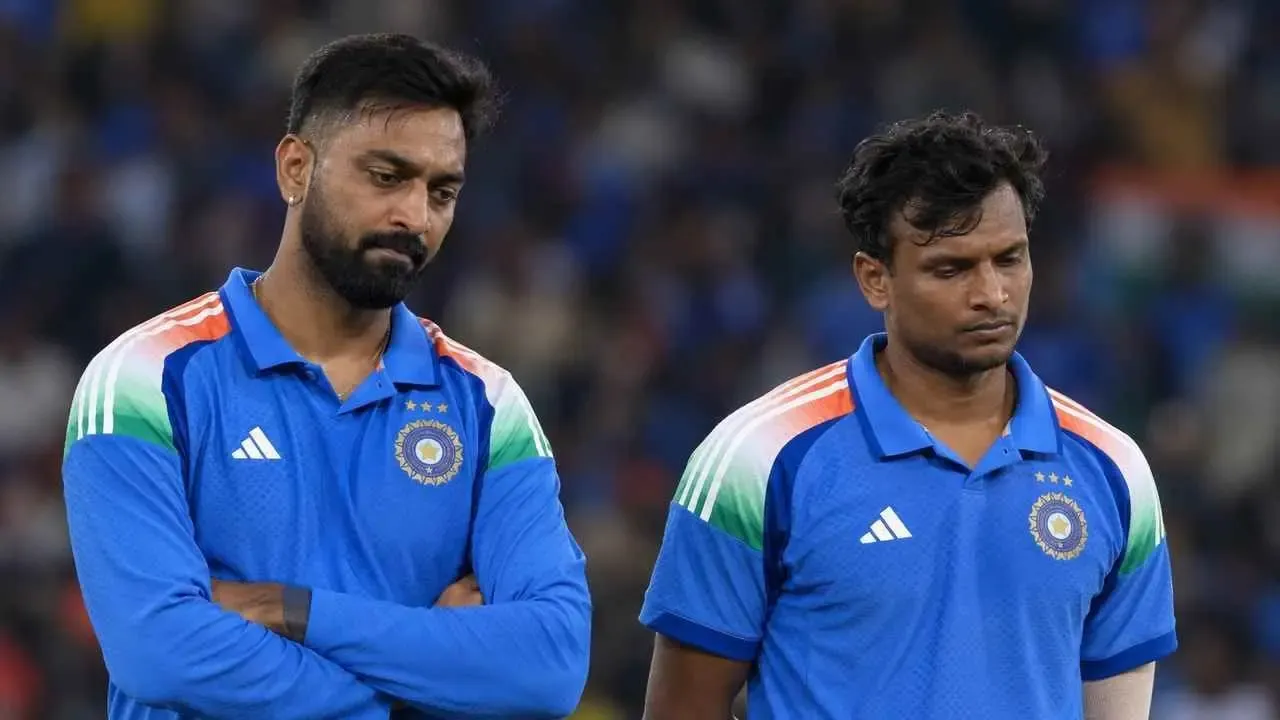
Team India have been humiliated in Hong Kong Sixes, and the most disturbing question is simple: why send a team if you are not serious about competing? Three matches, three defeats, and now a fight to avoid finishing last. This has been a shocking and deeply disappointing campaign.
India’s performances have handed rival supporters an opportunity to mock a name that commands respect across world cricket. The damage goes beyond losing a few six-over matches. Sending a side under the Team India banner carries responsibility, and this embarrassing campaign has hurt the reputation attached to that name.
If India are going to send a team, send the best available players suited to the format and give them proper practice time. Otherwise, do not send a team—or do not enter it under India’s name. Representing the country should mean more than turning up in an Indian jersey.
India’s Hong Kong Sixes Campaign Hits Rock Bottom
Pakistan and the UAE handed India one-sided defeats before England delivered another blow in the Bowl semi-final. India will now face Bangladesh for 11th or 12th place in a 12-team competition.
India finished the group stage without a win and with a net run rate of -7.854. Across the four groups, only England had a worse figure, at -8.250.
Then India lost to England too.
The three-run margin showed more fight than the earlier defeats, but the outcome was still brutal. India could not beat even the side that had finished the group stage below them on net run rate. Their best possible finish is now 11th.
Hong Kong Sixes is an entertaining format, and its results do not define India’s strength in international cricket. But that cannot become an excuse for accepting such a miserable campaign. If the competition matters enough to send an Indian team, it should matter enough to prepare that team properly.
Established Batters Fail to Deliver
Nitish Rana’s innings against Pakistan captured India’s struggle to adjust. He made 19 from 14 balls before retiring out. In a six-over innings, those 14 deliveries represented a huge share of the available batting time.
Shashank Singh struck 40 from 11 balls in the same innings. The difference was stark. Rana’s lack of momentum contributed to an inadequate total, while first-ball ducks from Rahul Tewatia and Krunal Pandya made the damage worse.
Against the UAE, India’s established batting names failed again. Tewatia and Shashank managed one run each, while Rana departed for six. It took T Natarajan, a player known primarily for his bowling, to provide the biggest contribution.
His 38 from 14 balls exposed the missed opportunity. If Natarajan could find that scoring range, India were entitled to expect much more from their specialist batters.
Rana then made four from four balls against England. Across three appearances, his batting never delivered the impact India needed.
Krunal Pandya and the Bowling Attack Offer Little Resistance
Krunal’s IPL reputation brought no protection against Pakistan’s hitting. His only over cost 31 runs. Natarajan conceded 28 in his over, leaving India’s two established bowlers with combined figures of 59 runs from two overs without a wicket.
Pakistan needed just 23 legal deliveries to finish the chase.
The UAE were even more ruthless about preserving their wickets. India failed to dismiss a single batter as Khalid Shah and Ansh Tandon completed the chase in 4.2 overs. Krunal’s two deliveries went for two sixes.
These were not merely defeats. India’s attack offered too little resistance to make either chase uncomfortable.
The England match brought a different failure. India conceded 18 extras, including 10 wides, and eventually lost by three runs. In such a short game, that lack of control was costly.
Send the Best Available Team and Prepare It Properly
India cannot treat selection for this competition as simply putting together a few familiar names. The best available players for Sixes cricket should be identified by their ability to attack immediately, adapt to short boundaries and execute bowling plans under relentless pressure.
Other countries are sending active, competitive cricketers. India should approach selection with the same purpose. A strong IPL reputation is valuable, but it does not automatically make someone ready for this unusual format.
The players selected must also receive enough preparation time. They need batting sessions built around immediate boundary hitting, bowling practice on similarly sized grounds, and clear plans for limiting damage.
On a larger ground, a mistimed shot can become a catch. Here, it can clear the boundary. A batter who normally takes time to settle may use up too much of a six-over innings. Those differences demand specific practice.
It would be unfair to place the entire responsibility on the players without examining how they were prepared. These cricketers have enough ability to win matches here. The question is whether India’s approach gave them the best chance to use that ability.
Continuity matters as well. Repeatedly changing the group makes it harder to build experience in such a specialised competition. A settled core can learn which shots, lengths and combinations work, then carry those lessons into the next edition.
The standard should be clear: select seriously, allow proper preparation and compete with intent. If those commitments cannot be made, India should reconsider participating under the national name. That name should not be attached to a casual appearance that ends in public embarrassment.
India’s Three Matches: Scorecard Summaries and Worst Performances
1. India vs Pakistan — October 30, 2026
| Team | Score |
|---|---|
| India | 88/5 in 6 overs |
| Pakistan | 91/2 in 3.5 overs |
| Result | Pakistan won by 4 wickets |
India batting
| Batter | Runs | Balls |
|---|---|---|
| Rahul Tripathi | 9 | 5 |
| Nitish Rana | 19, retired out | 14 |
| Shashank Singh | 40 | 11 |
| Rahul Tewatia | 0 | 1 |
| Krunal Pandya | 0 | 1 |
| T Natarajan | 12* | 6 |
India bowling
| Bowler | Overs | Runs conceded | Wickets |
|---|---|---|---|
| Krunal Pandya | 1 | 31 | 0 |
| T Natarajan | 1 | 28 | 0 |
| Shashank Singh | 1 | 14 | 1 |
| Rahul Tewatia | 0.5 | 18 | 1 |
Worst performances: Krunal suffered a double failure: a first-ball duck and a 31-run over. Natarajan’s 28-run over compounded the bowling collapse. Rana consumed 14 balls for 19, while Tewatia also fell first ball.
2. India vs UAE — October 31, 2026
| Team | Score |
|---|---|
| India | 94/6 in 6 overs |
| UAE | 97/0 in 4.2 overs |
| Result | UAE won by 6 wickets |
India batting
| Batter | Runs | Balls |
|---|---|---|
| Nitish Rana | 6 | 2 |
| Rahul Tripathi | 24 | 7 |
| Rahul Tewatia | 1 | 2 |
| Shashank Singh | 1 | 3 |
| Krunal Pandya | 15 | 8 |
| T Natarajan | 38 | 14 |
| Kulwant Khejroliya | 0* | 0 |
India bowling
| Bowler | Overs | Runs conceded | Wickets |
|---|---|---|---|
| T Natarajan | 2 | 43 | 0 |
| Shashank Singh | 1 | 17 | 0 |
| Nitish Rana | 1 | 24 | 0 |
| Krunal Pandya | 0.2 | 12 | 0 |
Worst performances: Tewatia and Shashank contributed two runs from five balls between them. Krunal’s 15 from eight offered limited acceleration, followed by two deliveries that both disappeared for six. Rana conceded 24 in his over, and the entire attack went wicketless.
3. India vs England — October 31, 2026
| Team | Score |
|---|---|
| England | 124/2 in 6 overs |
| India | 121/4 in 6 overs |
| Result | England won by 3 runs |
India batting
| Batter | Runs | Balls |
|---|---|---|
| Nitish Rana | 4 | 4 |
| Shashank Singh | 29 | 9 |
| Rahul Tripathi | 56* | 14 |
| Rahul Tewatia | 0 | 2 |
| Krunal Pandya | 28* | 7 |
| Kulwant Khejroliya | 0, retired out | 0 |
India bowling
| Bowler | Overs | Runs conceded | Wickets |
|---|---|---|---|
| Kulwant Khejroliya | 2 | 37 | 0 |
| Rahul Tripathi | 1 | 22 | 1 |
| Krunal Pandya | 1 | 19 | 0 |
| Rahul Tewatia | 1 | 20 | 0 |
| Nitish Rana | 1 | 18 | 1 |
Worst performances: Rana’s four from four and Tewatia’s two-ball duck were costly in a chase decided by three runs. India also surrendered 18 extras, including 10 wides. Tripathi’s unbeaten 56 and Krunal’s unbeaten 28 gave India a chance, but the earlier mistakes left them short.