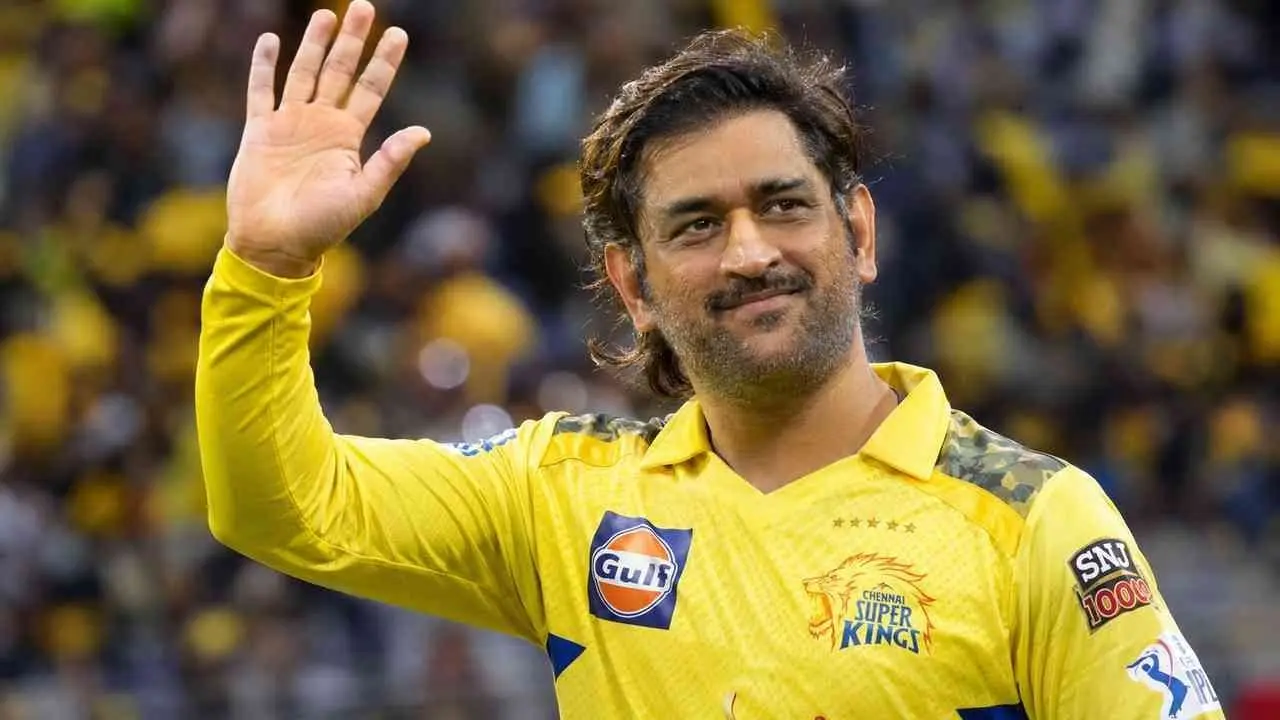
CSK have gained, not lost, from MS Dhoni’s retirement. You might be wondering how that is possible. Dhoni is such a big player, and his departure feels like a huge loss for Chennai. How can it benefit the team?
Emotionally, it is a major loss. Fans will no longer see him on the field or watch those familiar shots. But supporting a favourite player should also mean accepting when it is time for him to stop. Nobody wants their lasting memory of a superstar to be the painful sight of him struggling to do what once came naturally.
Dhoni’s move from player to mentor gives CSK an opportunity to improve their playing combination while keeping his cricketing intelligence within the team. That is why this retirement can help Chennai in several departments.
Why MS Dhoni’s Retirement Helps CSK Move Forward
Over the last few years, watching Dhoni has increasingly meant watching him manage physical limitations. Continuing in demanding T20 cricket into his mid-40s was always going to be difficult, especially without regular competitive cricket throughout the year.
He missed the entire IPL 2026 season because of a calf injury. Supporters kept hoping for his return, but he could not regain sufficient fitness to play a single match.
The previous season had already exposed the limitations of his reduced batting role. In IPL 2025, he scored 196 runs in 14 matches at a strike rate of 135.17. For a player primarily expected to finish innings, the concern was whether he could provide immediate acceleration consistently.
The shots that once looked effortless were becoming harder to produce. His threat against spin had reduced, giving opponents a way to challenge him even when he arrived late in the innings. Taking pace off the ball forced him to generate more of the power himself.
For someone spending long periods away from competitive cricket, finding that timing immediately is difficult. Restricting him to the final few deliveries did not automatically solve the problem if opponents could use spin against him.
There were concerns behind the stumps as well. The argument for moving on also rests on whether CSK could continue expecting the same sharp movement, diving takes and ability to prevent byes from an ageing wicketkeeper managing fitness problems.
From a team-building perspective, accommodating those limitations had become a burden. Dhoni’s greatness as a finisher was unquestionable, but CSK needed to select for what a player could deliver now.
A New Finisher Can Give Chennai More Options
The first benefit is the opportunity to bring in a fitter, more energetic player who can take responsibility for finishing games.
Modern T20 batting demands immediate impact. On the flattest surfaces, even 250 can come under threat. A finisher cannot always afford several deliveries to settle before attacking. He needs to find boundaries quickly—the very quality that made Dhoni so valuable in his prime.
CSK now have the freedom to develop that role around a player who can handle a wider range of situations. Someone who can enter earlier when necessary, attack both pace and spin, run hard between the wickets and contribute actively in the field.
Dhoni could still produce individual moments of brilliance, but Chennai could no longer build their finishing plans around him delivering those moments regularly. His retirement opens a squad place and removes the uncertainty surrounding his availability.
The responsibility now lies with CSK to use that opening well. A younger player will need ability and backing, not simply a place in the team.
CSK Finally Have Clarity About Their Future
The second benefit is a clear direction. Chennai no longer have to build their plans around the possibility of Dhoni returning as a player.
They can identify their next finisher, define his responsibilities and give him time to grow. That process may involve mistakes. Results could suffer for a season or two while the team settles on the right combination.
But continuing to delay that transition would only postpone the same problem. A strong finishing department could help CSK become a serious title contender again.
The franchise can now make those decisions with certainty: its next playing combination must succeed without Dhoni in the XI.
Dhoni’s Mind Could Be His Biggest Contribution Now
The biggest advantage may come from the role he is taking up. As mentor, Dhoni will no longer have to prepare his own batting and wicketkeeping for match day or manage the pressure of proving his fitness to play.
Those demands required considerable attention in the final stages of his career. His new role allows him to devote more of that attention to the team’s preparation, individual players and opposition plans.
Dhoni’s ability to read a game has always been central to his success. Recognising a batter’s weakness, understanding which bowler suits a particular situation and anticipating how an innings might develop can change a match.
Statistical analysis helps teams find those patterns. Dhoni’s strength has been recognising them through observation and experience, often while the game is unfolding.
As mentor, he can help the captain and coaching staff prepare those decisions in advance. He can work with bowlers on how to dismiss particular batters, guide young players through pressure situations and help the next finisher understand when to attack.
CSK now have the chance to combine fresh energy on the field with Dhoni’s judgement off it. Choosing the right players and putting his advice into practice will determine how much they gain from that combination.