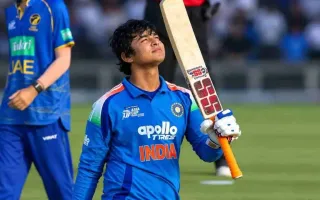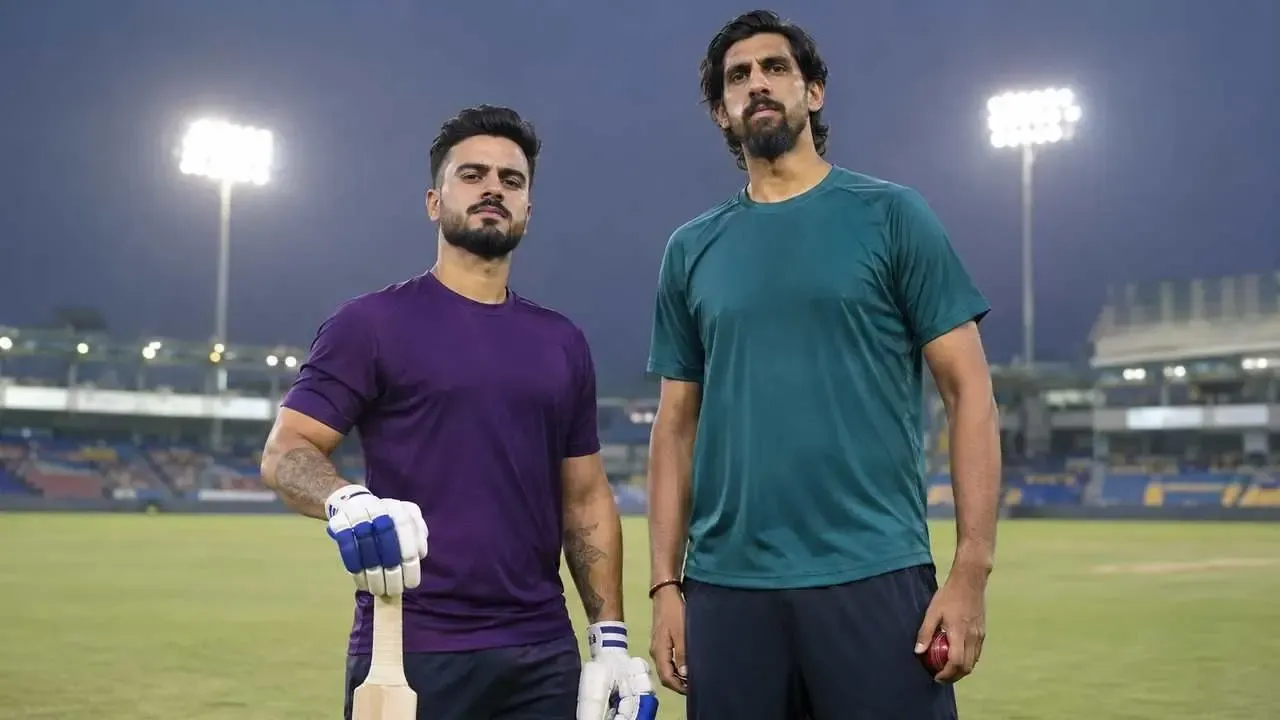
The initial IPL 2027 auction list is out, and fans now have a clearer idea of which players could be available and at what base price. But one name will make anyone who follows Indian cricket look twice at the uncapped category: Ishant Sharma. He led India’s pace attack and played more than 100 Tests. Nitish Rana has represented India in both ODIs and T20Is. How can either man qualify as uncapped?
The answer lies in an IPL rule that Chennai Super Kings used to retain MS Dhoni for ₹4 crore. It also explains why 2021 is the year that matters for both Ishant and Rana.
The MS Dhoni connection
Ahead of the IPL 2025 mega auction, CSK had a decision to make. They wanted to keep Dhoni, but using a capped retention on him would have committed a larger share of their purse to a player whose batting role had narrowed to the closing overs. That would have left less money to spend on players expected to influence a greater part of each match.
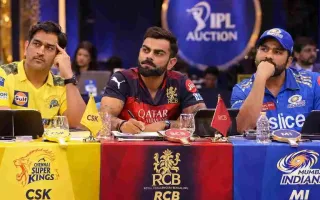
The IPL brought back a rule allowing Indian players with international experience to qualify as uncapped. Reports at the time linked its return to a request from Chennai, which CSK chief executive Kasi Viswanathan publicly denied. What happened next is clear: CSK retained Dhoni as an uncapped player for ₹4 crore ahead of the 2025 season.
That ₹4 crore was the price of retaining Dhoni. Ishant and Rana face a different question because they are going through the auction, where a franchise first has to place a bid.
How the IPL’s five-year rule applies to Ishant and Rana
In everyday cricket language, an uncapped player is someone who has yet to represent his country. The IPL gives the term a broader meaning for Indian players. Under its 2025–27 regulations, a previously capped Indian can qualify as uncapped if he has gone the five calendar years before the season without appearing in India’s starting XI in a Test, ODI or T20I. The published rule also includes a provision for players without a BCCI central contract.
For IPL 2027, those five calendar years are 2022 to 2026. Here is where the two players’ last India appearances fall:
| Player | Last match for India | Date |
|---|---|---|
| Ishant Sharma | First Test against New Zealand in Kanpur | November 25–29, 2021 |
| Nitish Rana | Third T20I against Sri Lanka in Colombo | July 29, 2021 |
Both last played for India in 2021, before that five-year window began. That is how a fast bowler with more than 100 Tests and a batter with three international appearances can qualify for the same IPL category. Their eligibility is clear. Their individual registration categories and base prices still await public confirmation.
Why a lower base price could help both players
For an experienced player whose place in a squad is uncertain, the most important bid can be the first one. A franchise with one spot left for a reserve batter might hesitate at ₹75 lakh or ₹1 crore. At a lower opening price, the same player could fit its remaining budget. The initial 2027 register already includes uncapped players at ₹30 lakh, and once two teams are interested, the bidding can rise from there.
Rana has a recent innings to make his case. He scored 91 off 44 balls for Delhi Capitals against Punjab Kings in IPL 2026. He has also played important innings in the Syed Mushtaq Ali Trophy. A franchise looking for an experienced Indian left-hander would get someone who can attack through the middle overs and give his captain a few overs of off-spin when the matchup suits him.
With Ishant, the calculation is narrower. At 38, he may find fewer teams willing to spend heavily on him. But a side looking for two or three overs with the new ball could still find a role for him, much as Gujarat Titans did. A lower starting price could make that decision easier and give Ishant the chance to earn a place in the XI through his bowling.
Sandeep Warrier, Chetan Sakariya, Navdeep Saini, Mayank Markande and Mandeep Singh are other former India players to whom the five-year question applies. For a fan surprised by any of those names, the simplest check is the date of the player’s last India appearance. In Ishant and Rana’s case, it is that date, rather than the number of caps they earned, that explains their eligibility for IPL 2027.